The internet is full of health hacks these days. You might see videos claiming that a simple seed can change your life. Men everywhere are looking for natural ways to get stronger and feel younger. There is a specific trend growing around apricot kernels, or seeds. Some people claim they are a superfood that fights disease and boosts energy. This leads many guys to ask: do apricot seeds increase testosterone in men?
Before you run to the store to buy a bag of seeds, you need to pause. While natural remedies can be great, some of them are actually dangerous. Apricot seeds fall into a very tricky category.
They contain some good nutrients, but they also contain something very toxic. It is important to know the full story before you put them in your body. We are here to separate the internet rumors from real medical science.
The Nutritional Profile of Apricot Seeds
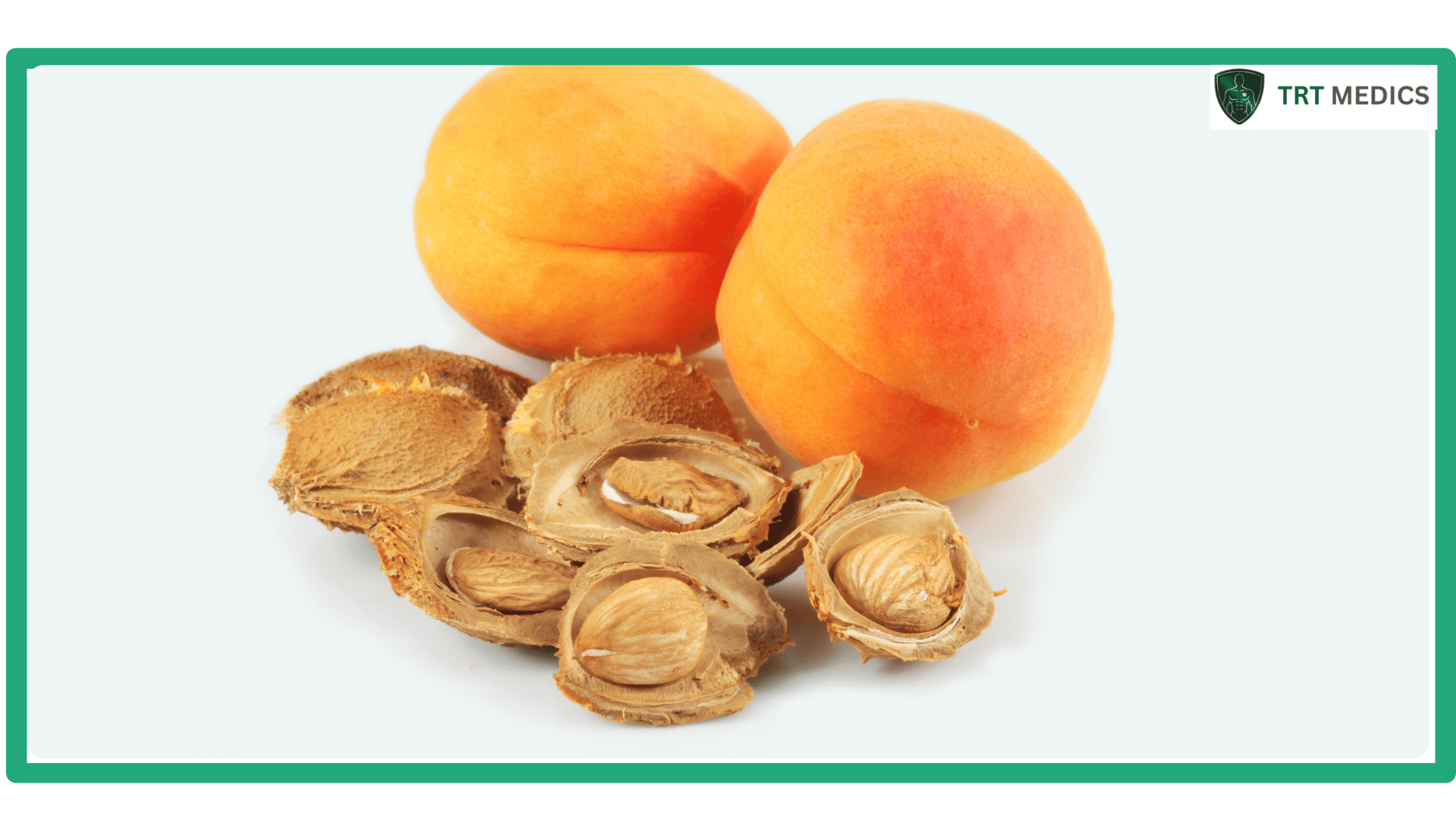
When you crack open an apricot pit, you find a small seed inside. It looks a bit like an almond. People have used these seeds in traditional medicine for a long time.
They are not just empty shells; they are packed with healthy fats and fiber. This is why health bloggers love to talk about them. But the story is more complicated than just fiber and fat.
Why the Hype Exists (Vitamin B17 & Minerals)
The main reason people get excited about these seeds is a compound called Amygdalin. You might hear it called “Vitamin B17.” Some online gurus claim this compound is a miracle for health and vitality.
Besides Amygdalin, these seeds do have minerals that men need. They contain zinc and magnesium, which are very important for your hormones. We know that zinc rich foods for men are usually good for testosterone.
Because of the zinc, it is easy to assume the seeds will help you. Zinc helps your body make testosterone naturally. So, the logic seems to make sense at first glance.
If a food has zinc, it should boost your levels, right? This is why the question do apricot seeds increase testosterone in men keeps popping up in search engines. But nutrition is never that simple.
The Reality Check
Just because a food has good minerals doesn’t mean it is safe to eat. You wouldn’t eat a battery just to get the zinc inside it. That is a silly example, but it is similar to what is happening here.
The good stuff in apricot seeds is hidden behind a wall of danger. The amount of seeds you would need to eat to get enough zinc is risky. There are much safer ways to get your vitamins.
We need to look at what happens when that “Vitamin B17” hits your stomach. This is where the story changes from a health hack to a health warning.
The Dangers: Cyanide and Reproductive Health
This is the part that most influencers forget to tell you. When you eat an apricot seed, your digestion breaks it down. The Amygdalin inside the seed changes into something else.
It converts into hydrogen cyanide. Yes, that is the same cyanide that is known as a poison. This is not a conspiracy; it is basic chemistry.
Your body can handle a tiny amount of cyanide, like from apple seeds. But apricot seeds have much higher levels. Eating just a few of them can make you feel sick.
Can They Actually Lower Testosterone?
So, let’s look at the hormones again. You want to know if these seeds build you up. But if you poison your body, your body stops building muscle.
When you consume toxins, your body goes into emergency mode. It stops caring about making testosterone and focuses on survival. This stress can actually lower your hormone levels.
Instead of a boost, you might get the opposite effect. High stress on your liver and kidneys is bad for your reproductive health. This is a classic case of amygdalin side effects outweighing the benefits.
Studies on toxicity show that cyanide damages cells. If your cells are damaged, they cannot produce hormones efficiently. So, the answer to do apricot seeds increase testosterone in men is likely no, and they might even hurt your progress.
Your testicles need a healthy, low-stress environment to work properly. Flooding your blood with mild poison is the wrong way to fix low energy.
Safer Natural Alternatives for Testosterone Support
You don’t need to take risks to boost your health. There are plenty of foods that help men without the danger of cyanide. You can get all the benefits of zinc and magnesium safely.
If you want foods that lower testosterone, you should avoid soy and processed sugar. But if you want to raise it, stick to safe whole foods.
Here are some great options:
- Pumpkin Seeds: These are loaded with zinc and completely safe. They are great for prostate health too.
- Oysters: These are famous for a reason. They have more zinc than almost any other food.
- Spinach: This is full of magnesium. Magnesium helps your body relax and builds free testosterone.
- Fatty Fish: Salmon and tuna give you Vitamin D and Omega-3s. These are essential for making hormones.
Eating these foods is a smart move. They give you the building blocks you need. And you never have to worry about poisoning yourself.
However, sometimes food isn’t enough. If your levels are clinically low, no amount of pumpkin seeds will fix it completely.
When Natural Remedies Aren’t Enough: Proven Medical Solutions
We know you want to fix this naturally. That is a great goal. But sometimes, low testosterone is a medical condition, not just a diet problem.
As men get older, our bodies just slow down. It happens to almost everyone. When this happens, you need professional help, not just a grocery list.
Our trusted hormone clinic sees this every day. Men try every diet and supplement, but they still feel tired. This is where medical science steps in to bridge the gap.
At TRT Medics, we offer solutions that are safe, tested, and effective. We don’t guess; we test your blood and find the root cause. Here is how we can help you get your life back.
The Easy Monthly TRT Plan
If your body has stopped making enough hormone on its own, we can replace it. We have made this process incredibly simple for you.
- New Patients ($249): You get a full consultation with a doctor over a video call. You don’t even have to leave your house. We also send a one-month supply of the medicine directly to your door.
- Refills ($149): Staying healthy shouldn’t be hard. Once you are started, you get your monthly refill and doctor check-ins for a lower price. It is convenient care designed for your busy life.
Enclomiphene: The Natural Booster
Some men don’t want to replace their hormones. They want to kickstart their own factory. This is often the best choice for men who want to have children later.
- Enclomiphene Therapy ($199): This medicine tells your brain to signal your testicles to work harder. It boosts your own natural production. This telehealth visit helps us decide if this path is right for your goals.
Expert Nutrition Coaching
Medicine works better when you eat right. But you need a real plan, not internet hacks.
- Nutritionist Consultation ($99): You can book a 45-minute session with a Certified Holistic Nutritionist. They will look at your specific needs. They will design a meal plan that supports your medical treatment for low T.
You can learn more about these options at whitesmoke-louse-122138.hostingersite.com. We believe in treating the whole person, not just the symptoms.
Conclusion: Prioritize Safety Over Trends
It is great that you are taking charge of your health. Researching what you put in your body is smart. But you have to be careful with what you read online.
The answer to do apricot seeds increase testosterone in men is clear. The risks are just too high. The potential for cyanide poisoning makes them a bad choice for hormone support.
You are better off eating oysters or pumpkin seeds. They give you the zinc you need without the danger. Safety should always come first.
If you have tried changing your diet and still feel low, it might be time for a bigger step. Our experienced team is ready to listen to you. We can help you understand what is really going on.
Don’t gamble with your health on risky seeds. You can start your journey with us today to get real answers.
Let’s get you feeling strong again the safe way. You can book a free call now to speak with a professional.
References:
- National Institutes of Health (NIH): Cyanide toxicity from apricot seeds
- National Cancer Institute: Laetrile/Amygdalin health information