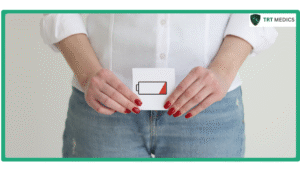
Do you feel like you are running on empty? You get plenty of sleep, but you are still tired. It feels like you are aging faster than you should be. Many men think this is just a normal part of getting older. They ignore the signs and try to push through the fatigue. However, this isn’t just “life” catching up with you. You might be dealing with Low Testosterone, also known as hypogonadism. This is a real medical condition that affects millions of men. The good news is that it is very treatable.
You do not have to settle for feeling weak or moody. Understanding what is happening inside your body is the first step to fixing it.
Identifying the Silent Signals: Common Symptoms
The signs of hormonal imbalance can be sneaky. They often start slowly and get worse over time. You might not notice them until they start affecting your daily life.
It is important to listen to what your body is telling you. If you have more than one of the symptoms below, it is time to pay attention.
Physical Changes and Body Composition
One of the first things men notice is a change in their muscles. You might go to the gym, but you don’t see any gains. In fact, you might feel weaker even if you are working out.
Testosterone is the fuel your body needs to build and keep muscle. Without it, your muscle mass starts to disappear. At the same time, you might notice more body fat.
This fat usually gathers around the belly and is very hard to lose. This happens because your metabolism slows down when your hormones are off. You might also feel a deep exhaustion that coffee cannot fix.
This isn’t just “being tired” after a long day. It is a lack of physical drive that makes simple tasks feel hard.
Mental and Emotional Indicators
Low Testosterone doesn’t just change how you look. It changes how you think and feel. Many men describe having “brain fog.”
This means you have trouble focusing or remembering small things. You might feel less motivated at work or in your hobbies. Things that used to make you excited now feel like a chore.
Mood swings are also very common. You might feel irritable or angry for no clear reason. Some men even experience feelings of depression or anxiety.
It is easy to blame stress, but often, it is a chemical imbalance. Your brain needs hormones to keep your mood stable.
How Diagnosis Works: Getting the Right Blood Work
You cannot diagnose yourself just by reading a list of symptoms. You might feel like you fit the description, but you need proof. The only way to know for sure is through blood work.
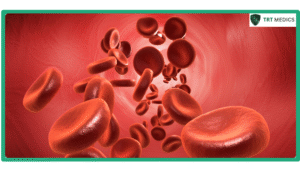
Testing gives us a clear picture of what is happening inside your veins. It removes the guesswork so we can create a plan that actually works.
Total vs. Free Testosterone
When you get your blood tested, we look at a few different numbers. The first is “Total Testosterone.” Think of this as the total amount of money in your bank account.
It is the total amount of hormone floating in your blood. However, that number doesn’t tell the whole story. We also need to check your “Free Testosterone.”
This is the amount of hormone your body can actually use right now. Think of this as the cash in your pocket. You might have a lot in the bank, but if you can’t spend it, it doesn’t help.
Other markers like SHBG and Estradiol are also important. They help us see the full picture of your health.
To get this done easily, you can use telemedicine for hormonal health. This allows you to start the process from the comfort of your home.
Modern Treatment Options and Protocols
Once we know your levels are low, we can talk about solutions. Medicine has come a long way in treating hormone issues. There are safe and effective ways to get you back to normal.
The goal is to restore your levels to where they were when you felt your best. We focus on consistency and safety above all else.
The Standard of Care: TRT Injections
Injections are often the best choice for many men. They provide a steady and reliable dose of testosterone. Creams and gels can sometimes be messy or inconsistent.
Injections ensure that your body gets exactly what it needs. This helps keep your mood and energy stable throughout the week.
At trtmedics.com, we have simplified how you get this care. We want to make it as easy as possible for you.
New Patient Initiation Plan ($249):
If you are just starting, this is the comprehensive package for you. It includes a video consultation with our expert doctors to review your health. Plus, you get a full one-month supply of your prescribed medicine mailed to you.
Monthly Continuity Refill ($149):
Once you are dialed in, we keep it simple. This plan covers your monthly refill and ongoing doctor support. It ensures you never have a gap in treatment so you keep feeling great.
Alternative Therapies for Fertility (Enclomiphene)
Some men are worried that testosterone shots might stop them from having kids. This is a valid concern, as TRT can lower sperm count. However, there are other options.
If you are younger or want to preserve fertility, we have a different approach. We can stimulate your body to make its own testosterone.
Enclomiphene Stimulation Protocol ($199):
This is a specialized service for men who want a natural boost. It includes a telehealth visit to see if Enclomiphene is right for you. This medication tricks your brain into telling your body to produce more testosterone naturally.
Optimizing Results with Lifestyle and Nutrition
Medicine is a powerful tool, but it is not magic. You cannot take a shot and then eat junk food all day. To get the best results, you need to support your body.
Think of testosterone as the engine oil for your car. You still need good gas (food) to make the car run fast. Lifestyle changes can double the effectiveness of your treatment.
The Diet-Hormone Connection
What you eat has a direct impact on your hormones. High sugar and processed foods can increase inflammation. This makes it harder for your body to function properly.
Obesity is also a major enemy of testosterone. Fat cells can turn your good testosterone into estrogen. This works against what we are trying to achieve.
Eating a diet rich in protein and healthy fats helps your body build muscle. It also gives you the energy to exercise, which boosts your levels even more.
Expert Nutritionist Session ($99):
We offer a 45-minute deep dive with a Certified Holistic Nutritionist. This is perfect if you are on TRT or weight loss meds like Semaglutide. They will create a custom meal plan to help your diet work with your meds, not against them.
Our clinical medical team strongly recommends pairing nutrition with your therapy. It is the secret to long-term success.
Why You Should Not Ignore the Symptoms
Ignoring these problems won’t make them go away. In fact, untreated hypogonadism can lead to serious health issues later. It is about more than just a low sex drive or weak muscles.
Men with chronically low levels often have weaker bones. This puts you at risk for fractures as you age. There is also a strong link to heart health.
Your heart has receptors for testosterone, just like your muscles do. Keeping your levels healthy helps protect your cardiovascular system. Mental health is another major factor.
Living with untreated depression or anxiety caused by hormones is exhausting. It affects your family, your job, and your happiness. Dealing with Low Testosterone is a vital part of preventative healthcare.
If you are unsure about the risks, please reach out to our specialists. We are here to answer your questions and guide you.
Conclusion
You do not have to accept fatigue and weakness as your new normal. There is a clear path to feeling like yourself again. It starts with a simple blood test and a conversation.
With modern medicine and a few lifestyle tweaks, you can reclaim your vitality. You deserve to wake up feeling rested and ready for the day.
Don’t guess with your health. Take control and get the answers you need. You can schedule your evaluation today and start your journey to better health.
References
- The Endocrine Society: Testosterone Therapy in Men with Hypogonadism.
https://www.endocrine.org/clinical-practice-guidelines/testosterone-therapy - Mayo Clinic: Male Menopause: Myth or Reality?
https://www.mayoclinic.org/healthy-lifestyle/mens-health/in-depth/male-menopause/art-20048056 - Urology Care Foundation: Low Testosterone (Hypogonadism).
https://www.urologyhealth.org/urology-a-z/l/low-testosterone