Starting Testosterone Replacement Therapy (TRT) is a big step toward feeling like yourself again. You are probably looking forward to more energy, better muscle tone, and a sharper mind. But like any medical treatment, you want to make sure you are doing it safely. One of the most common questions men ask is about their heart health. Specifically, they worry about how testosterone might change their blood pressure numbers. It is smart to ask these questions before you dive in. Knowing what is normal blood pressure on TRT can give you peace of mind. In general, your blood pressure should stay close to the standard healthy range, which is around 120/80 mmHg. However, small increases can happen for some men, and that is why monitoring is key.
If you are looking for a trusted place to start, TRT Medics offers comprehensive care. We believe that fixing your hormones should improve your health, not hurt it. Let’s break down everything you need to know in simple terms.
Understanding the Baseline: Blood Pressure Basics
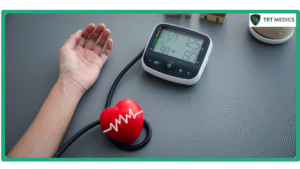
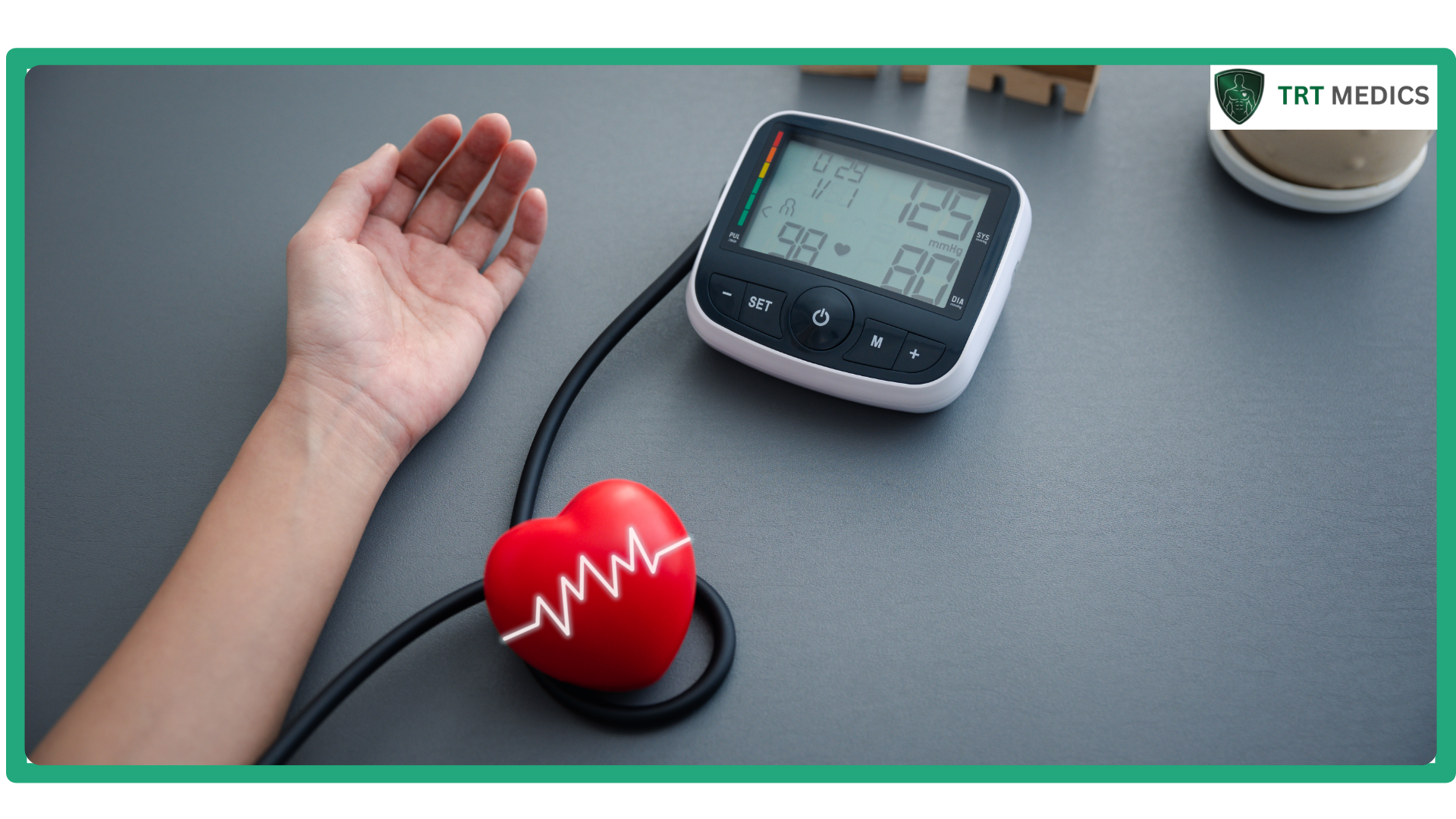
Before we talk about testosterone, we need to understand what blood pressure actually is. Think of it as the force of your blood pushing against the walls of your arteries. If this pressure gets too high, it makes your heart work much harder than it should.
Doctors usually look for a “golden standard” when they check your numbers. This standard helps them see if your heart is happy and relaxed.
Here is a quick breakdown of the numbers:
-
Normal: Less than 120/80 mmHg.
-
Elevated: Systolic between 120-129 and diastolic less than 80.
-
High Blood Pressure (Stage 1): 130-139 or 80-89.
-
High Blood Pressure (Stage 2): 140 or higher or 90 or higher.
If you are already dealing with high blood pressure, you need to be extra careful. You can visit trtmedics.com to see how we handle patient intake. This ensures your body is ready for the boost testosterone provides.
The Link Between Testosterone and Blood Pressure
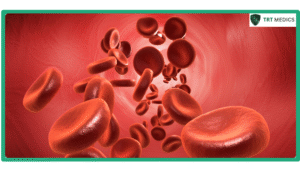
You might be wondering why testosterone would change your blood pressure at all. It all comes down to how hormones affect your blood’s “thickness.” Testosterone signals your body to make more red blood cells.
This is usually a good thing because red blood cells carry oxygen to your muscles. It helps with stamina and energy. But if you make too many red blood cells, your blood can become thicker.
Doctors call this “blood viscosity” or high hematocrit levels. Imagine trying to sip a milkshake through a straw versus sipping water. Your heart has to pump harder to move thicker blood, which raises pressure.
Another factor is water retention. Sometimes, testosterone can cause your body to hold onto sodium (salt) and water. This extra fluid adds volume to your blood vessels, which also bumps up the pressure.
So, what is normal blood pressure on TRT when these changes happen? Ideally, it stays within the normal range of 120/80. If it creeps up slightly, say to 125/82, it might just need watching, but huge spikes are not normal.
Managing and Monitoring Your Health on TRT
You cannot manage what you do not measure. The biggest mistake men make is starting TRT and then ignoring their health stats. You need to keep an eye on your body to get the best results.
The Importance of Regular Blood Work
Regular blood tests are not just a suggestion; they are a requirement for safety. These tests check your testosterone levels, but they also check your hematocrit and estradiol. Hematocrit measures how many red blood cells you have.
If your hematocrit gets too high, your doctor might ask you to donate blood. This is a simple way to “thin” the blood back to normal levels. It lowers the pressure on your cardiovascular system almost immediately.
Our specialized medical team at TRT Medics reviews these labs carefully. We look for trends over time, not just a single number. This helps us catch issues before they become real problems.
Professional Supervision
Trying to figure out your dosage alone is dangerous. You need a doctor who understands how to balance your hormones safely. That is where a structured medical plan comes in handy.
At TRT Medics, we have designed our plans to be seamless and safe. For those just starting, our Testosterone Replacement Therapy – New Patient – $249 package is perfect. This service includes a monthly telemedicine consultation with our expert physicians and a full one-month supply of your necessary medicine.
We don’t just send you medication and disappear. You get continuous care to ensure your blood pressure and other vitals stay in the green zone.
Once you are settled in, maintaining your progress is easy. Our Testosterone Replacement Therapy – Refills – $149 option keeps you going. This gives you another month of treatment and that vital monthly check-in with the doctor to ensure your levels remain stable.
Lifestyle Adjustments to Maintain Normal Range
Medicine is only half the battle. Your daily habits play a huge role in keeping your heart healthy while on TRT. You can actually control a lot of your blood pressure numbers just by what you eat and drink.
Diet and Hydration
Water is your best friend when you are on testosterone therapy. Staying hydrated helps your blood flow smoothly, even if your red blood cell count is a little higher. Aim to drink plenty of water throughout the day, not just when you are thirsty.
Salt is the enemy here. High sodium intake makes you hold onto water, which raises blood pressure. Try to cut back on processed foods like chips, canned soups, and fast food.
Instead, focus on foods rich in potassium, like bananas, avocados, and spinach. Potassium helps your body get rid of extra sodium. It is a natural way to keep your blood pressure steady.
Nutritional Support
Sometimes it is hard to know exactly what to eat. If you are feeling lost, getting professional advice can change everything. Your diet directly impacts how well your treatment works.
We offer a specific Consultation with a Nutritionist – $99 to help you optimize your health. This is a 45-minute session with a Certified Holistic Nutritionist who knows exactly how TRT affects the body.
They can help you understand how your food choices impact your treatment results. Whether you are on TRT, Semaglutide, or just want to be healthier, they provide personalized meal planning. This tailored advice can be the key to preventing high blood pressure.
Alternative Options for Testosterone Support
TRT is amazing, but it is not the only way to fix low testosterone. Some men might be worried about fertility or have specific health conditions. In these cases, we look at other medications that boost your body’s own production.
Is Enclomiphene Right for You?
If you are concerned about side effects like testicular shrinkage or fertility issues, there is another path. We offer Enclomiphene – $199, which is a medication used to jumpstart your natural testosterone production.
This is often a great choice for younger men or those who want to have children in the future. This telehealth visit includes a full consultation with a licensed provider to see if this option matches your goals.
They will look at your symptoms and lab results to decide if Enclomiphene is right for you. It can sometimes offer the benefits of higher testosterone with a different effect on blood pressure and fertility.
When to See a Doctor
Most men do great on TRT, but you have to listen to your body. There are warning signs that your blood pressure might be getting too high. Ignoring these signs can lead to a hypertensive crisis, which is dangerous.
Watch out for severe headaches that won’t go away. If you feel chest pain or have difficulty breathing, do not wait. Blurry vision or a pounding in your chest or ears are also red flags.
If you experience these, check your blood pressure immediately. If the numbers are very high (like 180/120), seek emergency help. Remember, knowing what is normal blood pressure on trt helps you spot these danger zones early.
You should also contact our support team if you notice subtle changes. If you feel more tired than usual or have flushed skin, let us know. We can adjust your dose or suggest a blood donation to help.
Conclusion
Taking control of your hormones should feel empowering, not scary. While testosterone can affect your blood pressure, it is very manageable with the right care. You just need to stay hydrated, eat well, and keep up with your blood work.
Remember that what is normal blood pressure on TRT is essentially the same as a healthy person not on TRT. The goal is always to keep you in that healthy 120/80 range. With expert supervision, you can enjoy the benefits of TRT without sacrificing your heart health.
If you are ready to start your journey safely, we are here to help. You can book a free consultation with us today to discuss your options.
Authentic & Original Sources:
- American Heart Association (AHA): Understanding Blood Pressure Readings
https://www.heart.org/en/health-topics/high-blood-pressure/understanding-blood-pressure-readings - PubMed / NCBI: Testosterone Replacement Therapy and Cardiovascular Risk
https://www.ncbi.nlm.nih.gov/pmc/articles/PMC5541969/ - Mayo Clinic: Testosterone therapy: Potential benefits and risks as you age
https://www.mayoclinic.org/healthy-lifestyle/sexual-health/in-depth/testosterone-therapy/art-20045728 - Harvard Health Publishing: Testosterone and the heart
https://www.health.harvard.edu/heart-health/testosterone-and-the-heart